
Flue Fires Explained: What Homeowners Should Know
Flue Fires Explained: What Homeowners Should Know
There’s nothing quite like cozying up to a fire at home. A fireplace should add warmth, comfort, and peace of mind during cold Ozarks winters. But when a chimney system isn’t properly maintained, it can quietly become a serious safety concern. One of the most dangerous issues homeowners face is a flue fire.
Flue fires often develop out of sight, deep inside the chimney, and can escalate quickly. In many cases, the damage isn’t immediately visible from the outside, which makes these fires especially dangerous. Understanding why flue fires occur, how to prevent them, and what to do if one happens is an important part of protecting your home, your family, and your chimney system.
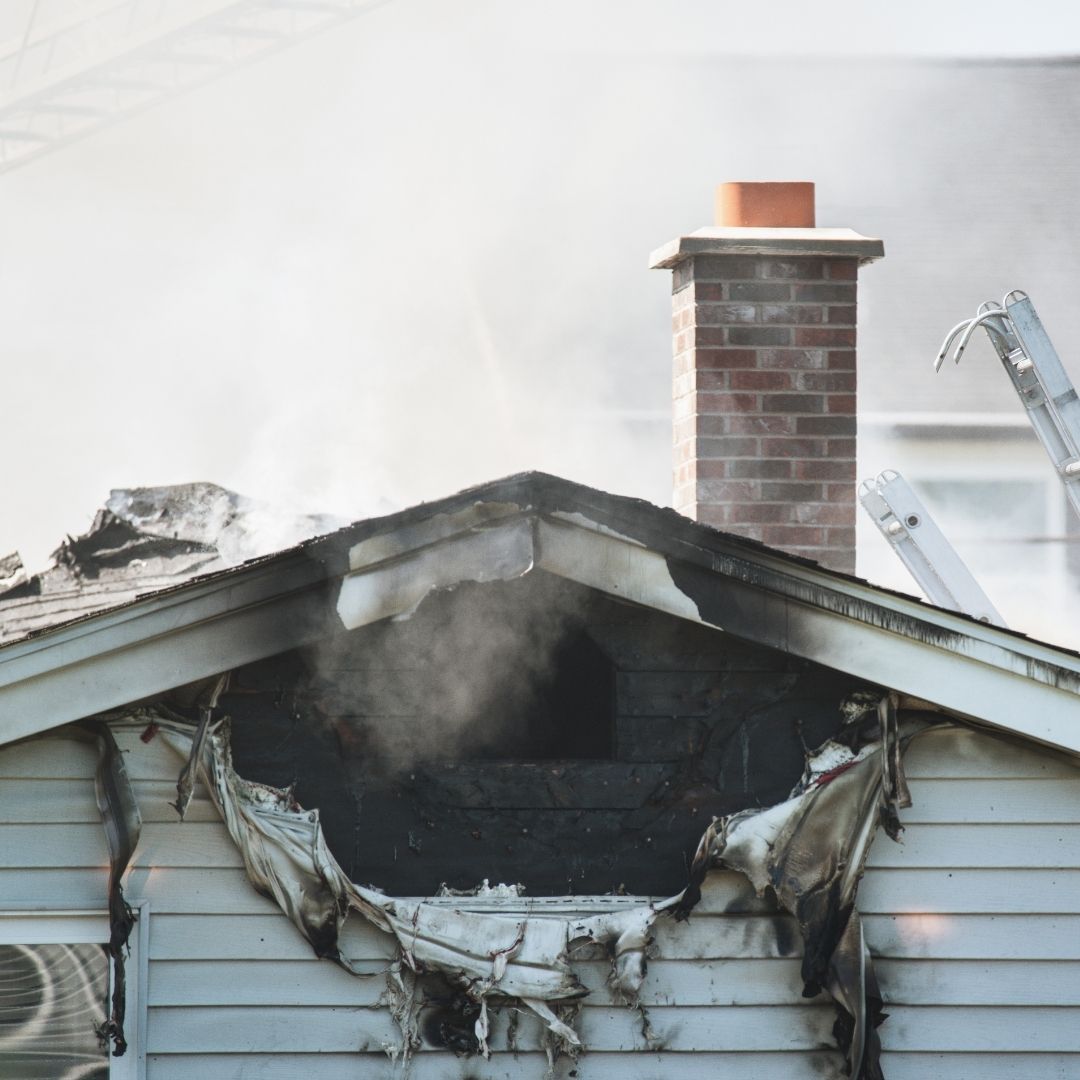
What Is a Flue Fire?
A flue fire occurs when combustible materials inside the chimney ignite. The flue is the internal passage that safely carries smoke, heat, and combustion gases out of your home. As wood burns, smoke travels upward and gradually cools. During this process, creosote, a black or brown tar-like residue, forms and sticks to the flue walls.
Creosote is highly flammable. When temperatures inside the chimney rise or sparks travel upward, built-up creosote can ignite, leading to a flue fire. Some flue fires burn fast and loud, producing cracking or roaring sounds. Others burn slowly and quietly, damaging the chimney liner and surrounding structure without obvious warning signs.
Both types of fires are dangerous and should always be taken seriously.
Why Do Flue Fires Happen?
Flue fires are rarely sudden or random. In most cases, they develop from gradual conditions that build up over time. The most common causes include:
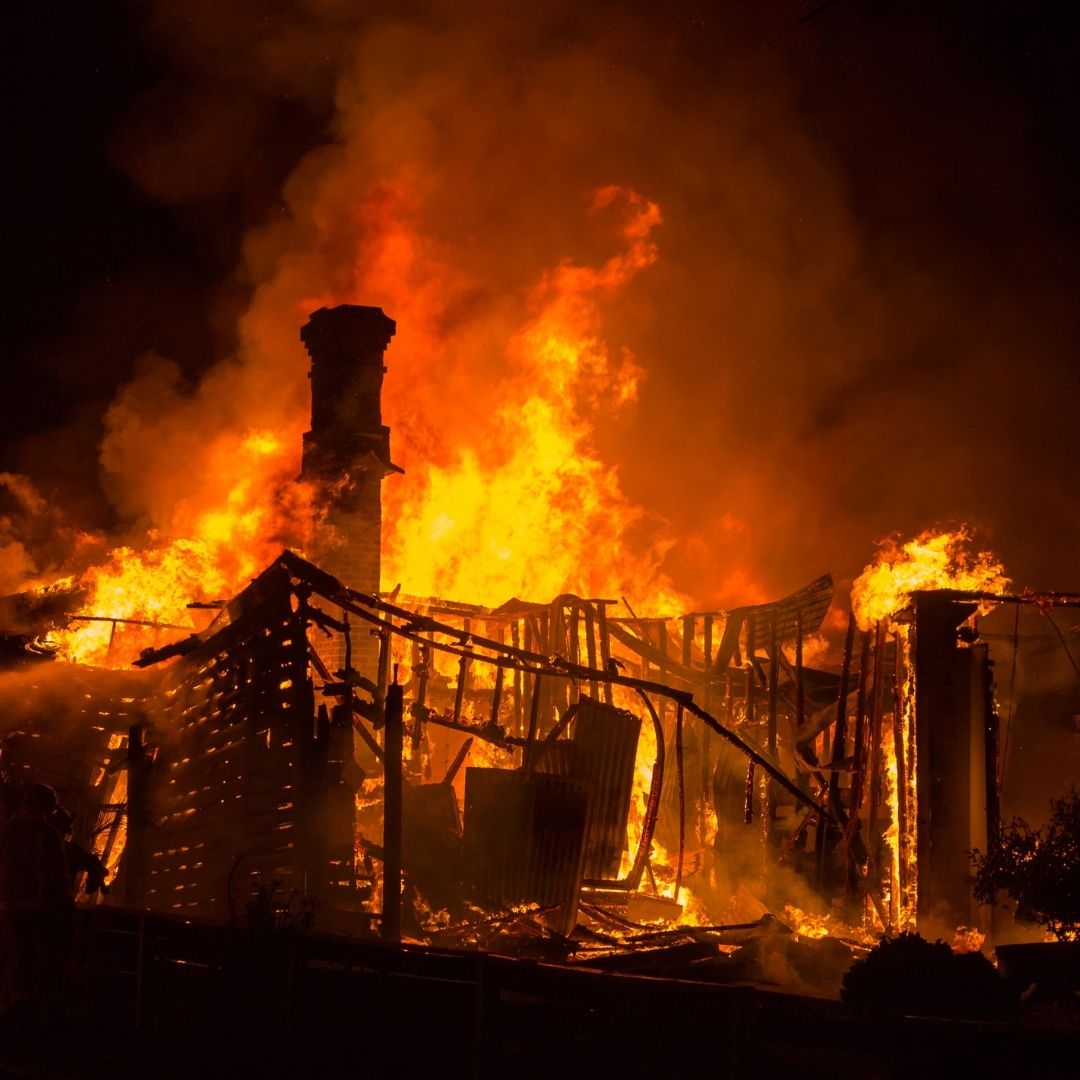
Creosote Buildup
Every wood-burning fire produces creosote. If regular chimney cleaning isn’t maintained, this residue accumulates along the flue walls. As the layers thicken, they become increasingly likely to ignite when exposed to high heat.
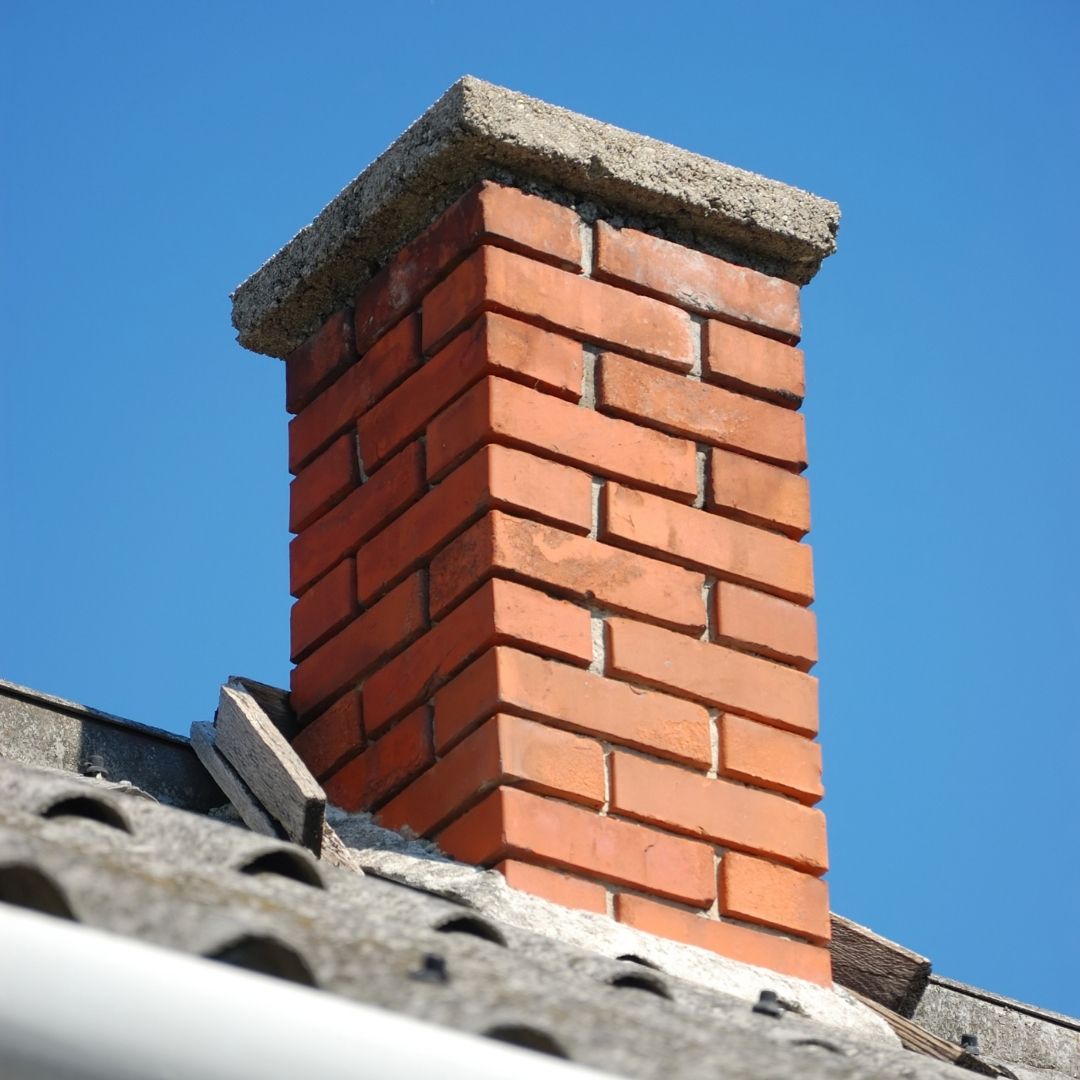
Poor Draft or Restricted Airflow
A chimney relies on proper airflow to vent smoke efficiently. Blockages, damaged liners, or improperly sized chimneys can cause smoke to cool too quickly. This leads to heavier creosote deposits inside the flue.
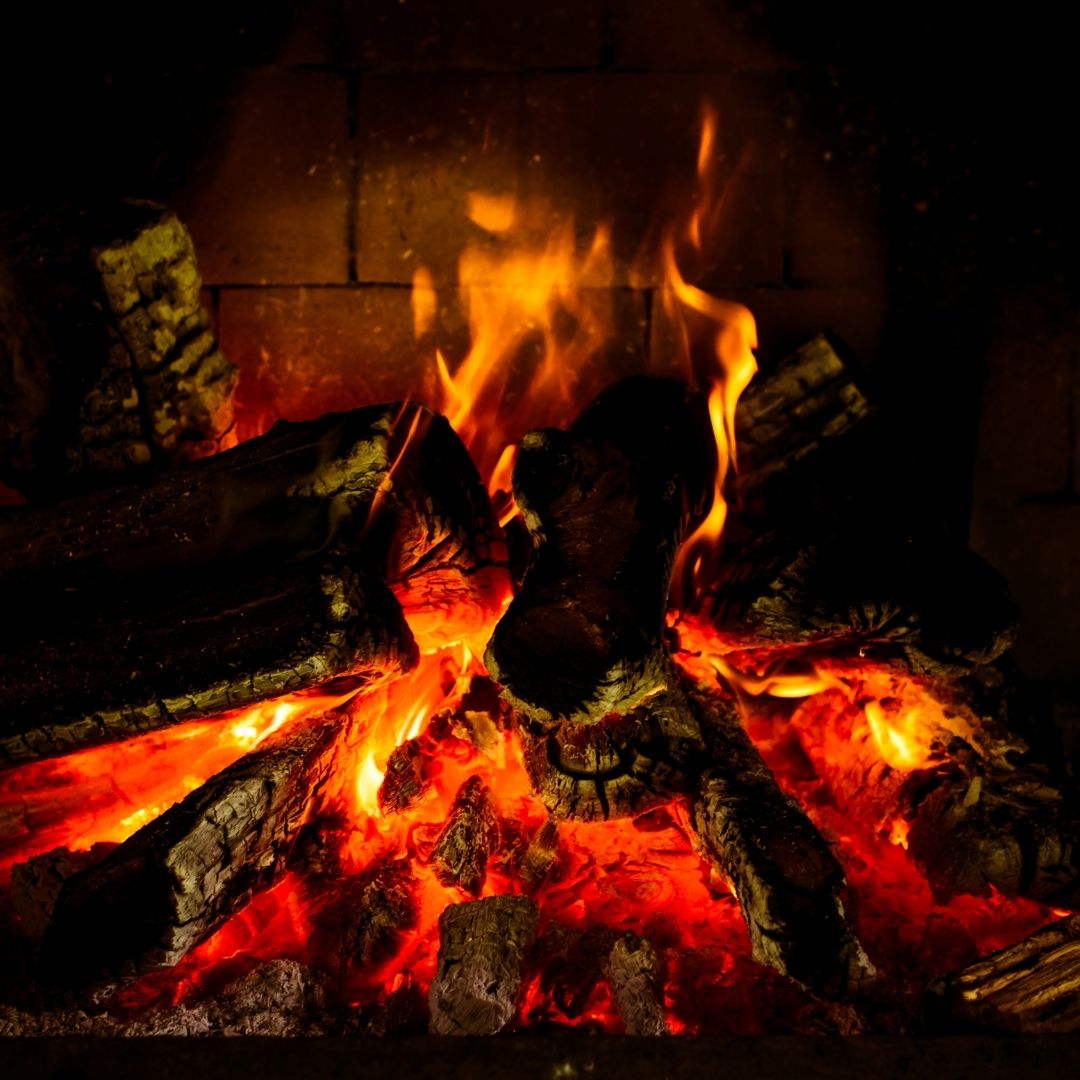
Burning the Wrong Materials
Unseasoned or wet firewood produces excess smoke, which accelerates creosote formation. Burning trash, cardboard, treated wood, or other household materials can also increase buildup and create unsafe chimney temperatures.
Skipped Inspections
Cracks in the chimney liner, deteriorating masonry, or early stages of creosote buildup often go unnoticed without routine inspections. Over time, these hidden issues significantly raise the risk of a flue fire.
How to Prevent a Flue Fire:
Schedule Routine Chimney Cleaning
Annual chimney cleaning removes creosote before it becomes hazardous. Homes that burn wood frequently or rely heavily on their fireplace may benefit from more frequent service.
Burn Seasoned Firewood
Only burn dry, seasoned hardwood that has cured for at least six to twelve months. Properly seasoned wood burns cleaner, produces less smoke, and helps reduce creosote buildup.
Avoid Overfiring the Fireplace
Large, extremely hot fires raise flue temperatures and increase the risk of ignition. Smaller, controlled fires are safer and place less stress on your chimney system.
Keep the Chimney Clear
Leaves, nests, and animal activity can restrict airflow and trap heat. Chimney caps help keep debris out while also improving draft and ventilation.
Schedule Professional Inspections
A professional chimney inspection identifies issues that aren’t visible from inside the home, including liner damage, hidden creosote buildup, or structural concerns that could increase fire risk.
What to Do If a Flue Fire Occurs
If you suspect a flue fire, responding quickly is vital to protecting your home and everyone inside it. So don’t overthink the signs of this type of fire and get help promptly.
Common Signs of a Flue Fire:
Loud popping, cracking, or roaring sounds
Dense smoke is entering the living space
Flames or sparks visible from the chimney
A strong, intense burning odor
Immediate Steps to Take:
Close the damper if it can be done safely
Call 911 immediately, even if the fire appears contained
Evacuate the home until emergency responders say it is safe
Do not use the fireplace again until the chimney has been professionally inspected
Even a small or short-lived flue fire can cause damage that makes future fireplace use unsafe without proper repairs.
Why a Chimney Inspection Is Critical After a Flue Fire
Flue fires often leave behind cracked liners, weakened masonry, or compromised chimney components. You can’t always spot these signs, but they can significantly increase the risk of future fires or carbon monoxide exposure if left unaddressed.
A professional inspection ensures the chimney system is safe to use and identifies any necessary repairs before the fireplace is operated again. For homeowners around Table Rock Lake, Table Rock Chimney & Masonry provides thorough chimney cleaning, inspections, and repair services - designed to protect both your chimney and your home.
Regular maintenance not only helps prevent flue fires but also extends the life of your chimney system and provides peace of mind season after season.
Frequently Asked Questions
How often should my chimney be cleaned to prevent flue fires?
Most chimneys should be cleaned at least once per year. Homes that burn wood frequently may require more frequent cleanings.
Can a flue fire happen without visible flames?
Yes. Some flue fires burn slowly inside the chimney and may not produce obvious signs until damage has already occurred.
Is it safe to use my fireplace after a flue fire?
No, it’s not safe to use. A professional inspection is required to check for liner damage or structural issues before using the fireplace again.
Does burning gas eliminate the risk of flue fires?
Gas appliances reduce creosote buildup, but chimneys should still be inspected to ensure proper venting and overall structural integrity.
Do chimney caps help reduce fire risk?
Yes. Chimney caps help prevent debris and animals from entering the flue and support proper airflow.
Protect Your Home Before the Next Fire Starts
A flue fire is one of those problems you don’t want to learn about the hard way. The good news is that with regular maintenance, it’s almost always preventable. If your chimney hasn’t been cleaned or inspected recently—or if you’ve noticed warning signs like heavy creosote, poor draft, or unusual odors—it’s time to take action. Table Rock Chimney & Masonry proudly serves homeowners around Table Rock Lake with professional chimney inspections, cleanings, and repairs designed to keep your fireplace safe and your family protected. Schedule your chimney inspection today and enjoy the peace of mind that comes with knowing your home is ready for the season ahead.

© 2025 Table Rock Chimney & Masonry | Powered by Makin' Waves
GET IN TOUCH
OUR SERVICES
FOLLOW US ON SOCIAL
© 2025 Table Rock Chimney & Masonry | Privacy Policy | Terms & Conditions | Accessibility Statement | Website Design + Local SEO by Makin' Waves