
From Cracks to Structural Concerns:
Masonry Repair for Table Rock Lake Homes in the Ozarks
From Cracks to Structural Concerns:
Masonry Repair for Table Rock Lake Homes in the Ozarks
Chimneys around Table Rock Lake are exposed to a unique mix of moisture, temperature changes, and seasonal use. While small cracks or worn mortar may not seem urgent at first, they often signal early stages of larger structural issues. In the Ozarks, masonry doesn’t just age; it’s constantly being stressed by the environment.
Understanding how minor damage develops, what warning signs to watch for, and when repairs are needed can help homeowners protect their chimneys and homes in the long term. Addressing issues early not only improves safety but also helps avoid more complex and expensive repairs down the line.
How Minor Cracks Turn Into Major Damage
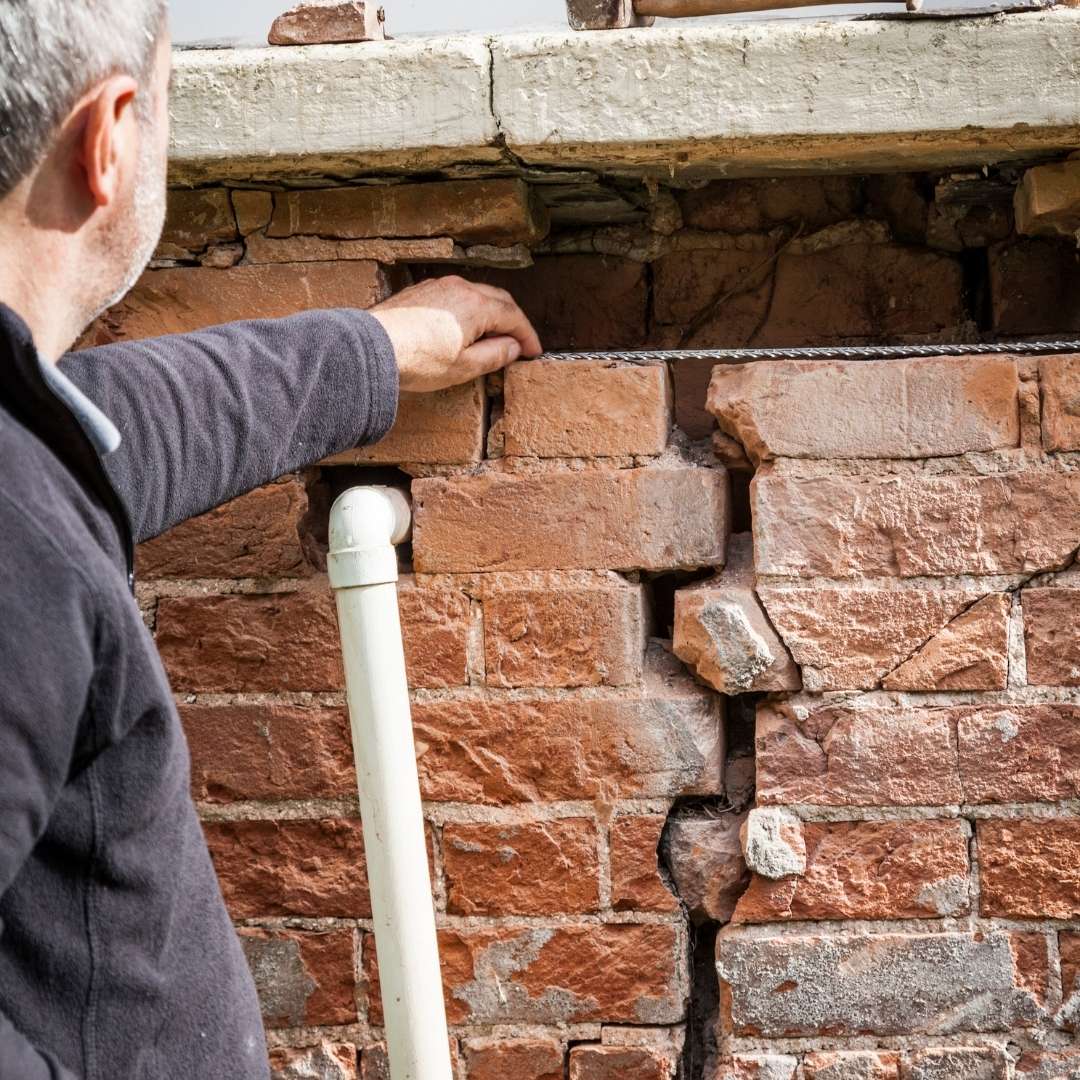
Small cracks in brick or mortar may seem cosmetic, but they often allow water to enter the chimney structure. Once moisture gets inside, the damage process accelerates - especially in the Ozarks climate.
Unlike colder regions where temperatures remain consistently below freezing, the Table Rock Lake area experiences frequent freeze-thaw cycles. This means moisture repeatedly freezes, expands, thaws, and contracts within the masonry. That constant movement puts stress on both the bricks and the mortar joints holding them together.
Over time, this cycle widens cracks in mortar joints, causes bricks to shift or break apart, and allows water to penetrate deeper into the chimney system. As moisture continues to move through the chimney, damage compounds. What starts as a small crack can quickly turn into widespread deterioration, internal damage, and costly structural repairs if left unaddressed.
What Causes Masonry Damage in Table Rock Lake Homes
While cracks are often the first visible sign, the underlying causes of masonry damage are typically tied to environmental conditions and long-term exposure.
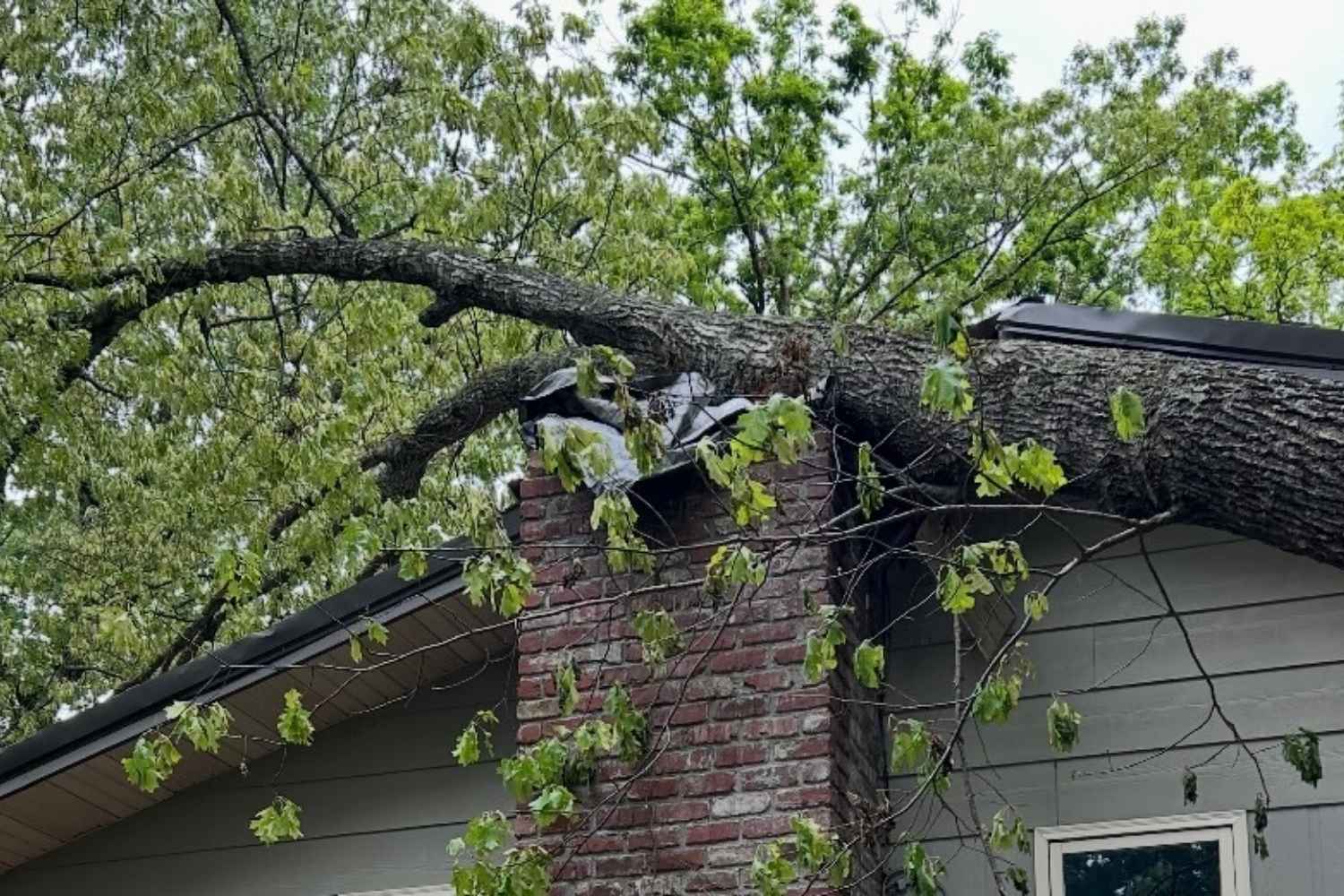
The Ozarks climate plays a major role in chimney wear. Since temperatures frequently rise and fall above and below freezing, masonry materials constantly expand and contract. This repeated freeze-thaw cycle is significantly harder on chimney systems than on those in climates that stay consistently cold.
Homes near Table Rock Lake also experience higher levels of moisture and humidity year-round. This increases the likelihood of water entering even small cracks and accelerating deterioration from the inside out.
Seasonal storms, heavy rains, and temperature swings add another layer of stress, gradually wearing down mortar joints, chimney crowns, and exposed brick surfaces. Over time, even a well-built chimney can begin to show signs of wear if these conditions are not managed with routine maintenance.
The Warning Signs Homeowners Shouldn’t Ignore
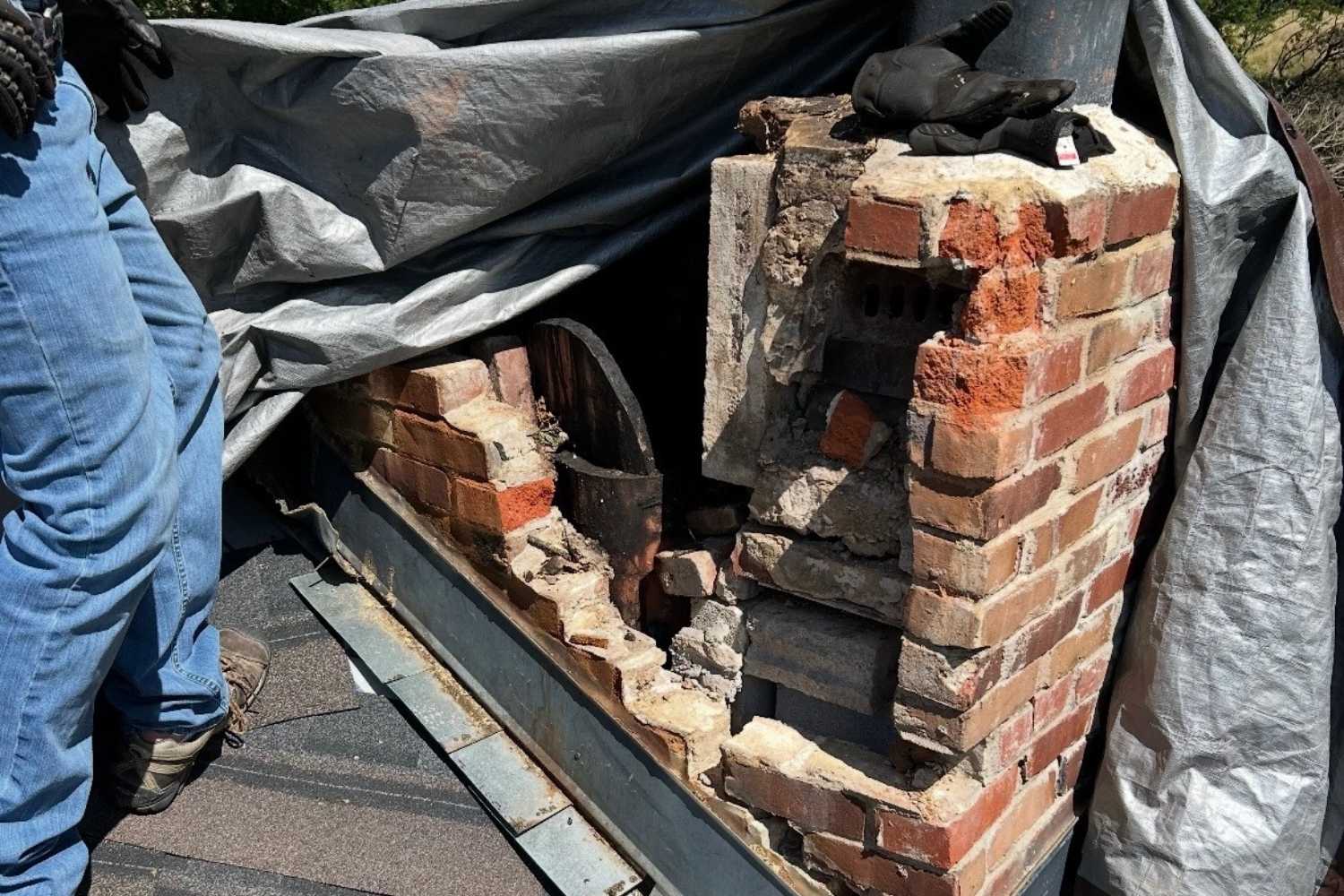
Masonry damage is often visible before it becomes severe, but it can be easy to overlook if you’re not sure what to look for. Catching these warning signs early can help prevent more extensive repairs and reduce long-term costs. Common warning signs include:
Loose or Shifting Bricks
Bricks that move or feel unstable often indicate structural weakening beneath the surface.
Missing or Deteriorating Mortar
Gaps between bricks allow water to penetrate deeper into the chimney, accelerating damage over time.
Efflorescence (White Staining)
A chalky white residue on the brick surface is a sign that moisture is moving through the masonry and leaving mineral deposits behind. While it may appear cosmetic, it often points to a deeper moisture issue.
Cracks in the Chimney Crown
The chimney crown protects the top of the structure from water intrusion. When it cracks or becomes damaged, water can enter and spread downward throughout the chimney.
Leaning or Tilting Chimney Structure
Any visible shift in alignment is a serious concern and should be evaluated by a professional as soon as possible.
Interior Signs Inside the Home
Water stains near the fireplace, musty odors, or subtle signs of moisture around the chimney area can indicate that damage has progressed beyond the exterior.
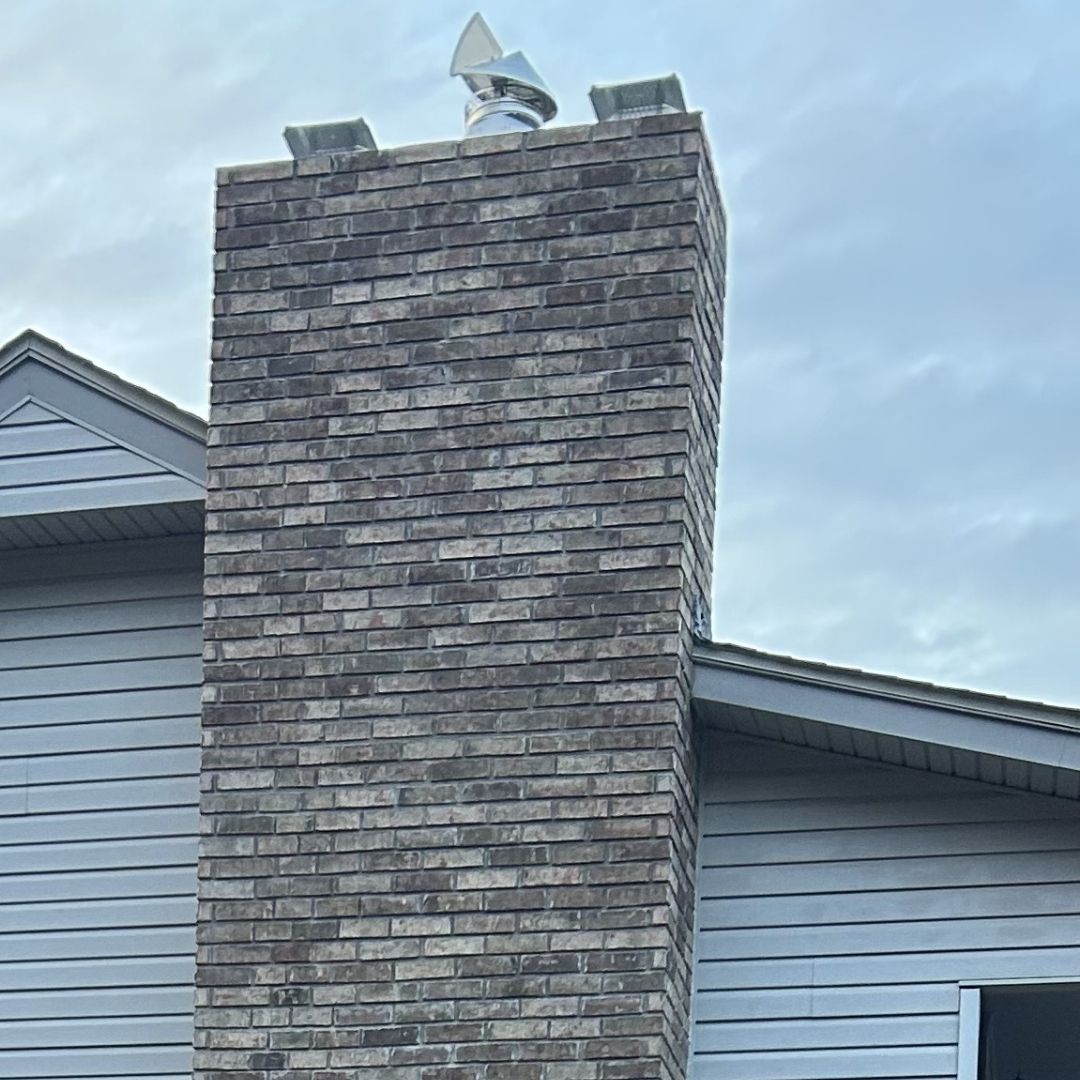
Repair vs. Rebuild: When Each Is Necessary
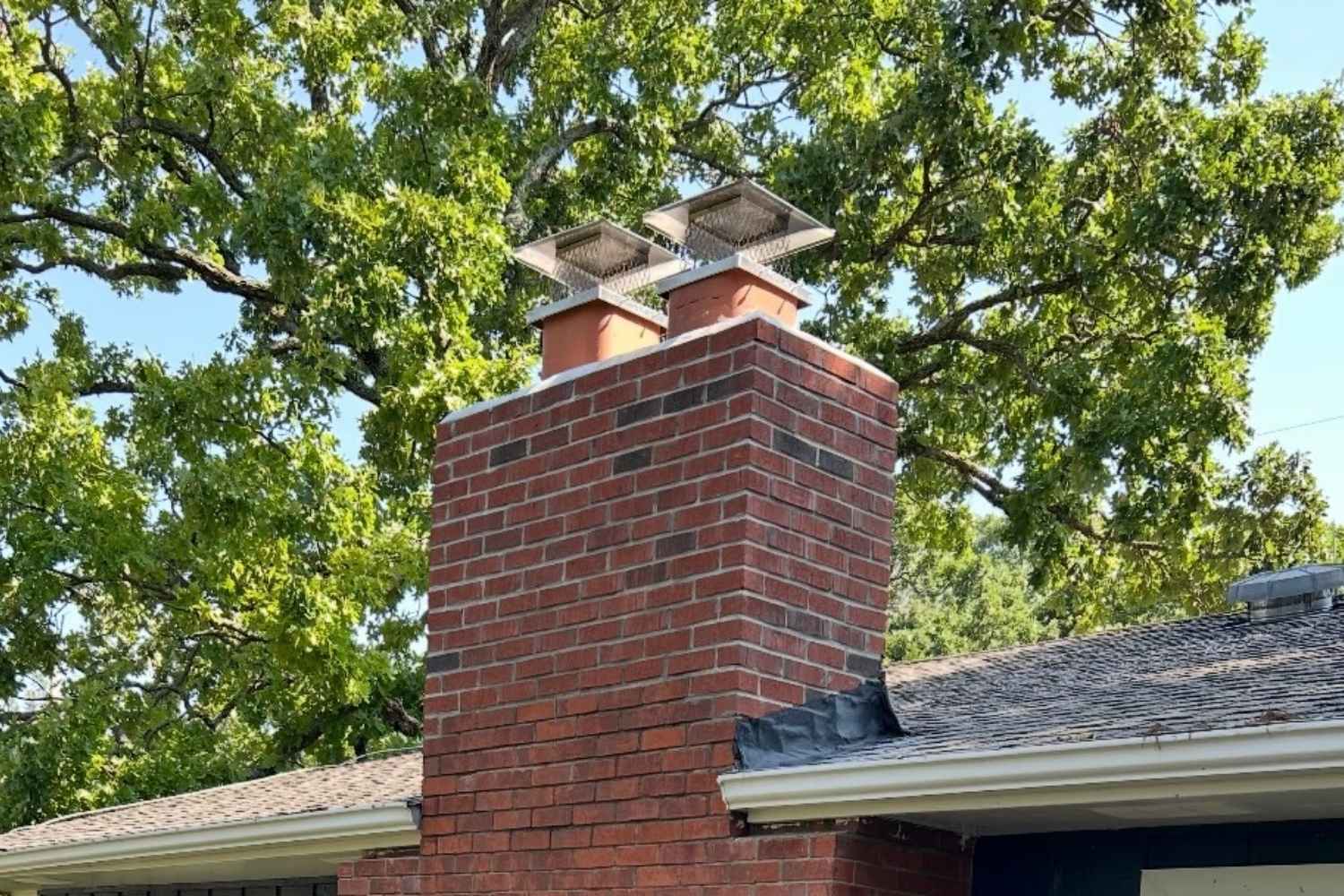
Not all chimney damage requires a full rebuild. In many cases, targeted masonry repairs can restore both the function and appearance of the chimney when problems are addressed early.
Repairs are often sufficient when damage is limited to minor cracks in mortar joints, early-stage mortar deterioration, or small areas of brick damage. Tuckpointing, which involves replacing damaged mortar, is one of the most common and effective ways to strengthen the chimney and prevent further water intrusion.
Additional repairs may include sealing or rebuilding the chimney crown and addressing flashing issues where the chimney meets the roof. These targeted solutions help protect the chimney system without requiring a full reconstruction.
More extensive structural work may be necessary when damage has progressed further. Widespread brick deterioration, deep water intrusion, significant leaning, or long-term neglect can all indicate that a partial rebuild or structural reinforcement is needed.
A professional inspection is the best way to determine the right course of action. Addressing issues early typically allows for simpler, more cost-effective repairs, while delaying them can lead to more complex structural work.
Why Masonry Repair Matters in the Ozarks
Homes around Table Rock Lake face environmental conditions that make masonry maintenance especially important. Between lake moisture, seasonal storms, and frequent freeze-thaw cycles, chimneys in this region experience ongoing stress that can accelerate wear over time.
When masonry issues go untreated, water intrusion becomes a major risk. Moisture can move through the chimney system and begin affecting surrounding areas of the home, leading to additional structural concerns and interior damage.
Addressing masonry issues early helps prevent water from entering your home, protects the structural integrity of your chimney, and reduces the likelihood of more expensive repairs in the future. It also supports proper fireplace function and extends the overall lifespan of the chimney system.
For homeowners in the Table Rock Lake area, proactive maintenance is not just a recommendation. It’s an essential part of protecting both the home and the investment it represents.
Frequently Asked Questions About Masonry Repair
How do I know if my chimney needs masonry repair?
Visible cracks, missing mortar, loose bricks, or white staining are all common signs that your chimney may need repair. Interior signs, such as moisture or staining near the fireplace, can also indicate an issue.
Is masonry damage always caused by weather?
Weather plays a major role, especially freeze-thaw cycles in the Ozarks, but age, construction quality, and lack of maintenance can also contribute.
What is tuckpointing?
Tuckpointing is the process of removing damaged mortar and replacing it with new mortar to restore strength and prevent water intrusion.
Can I delay chimney masonry repairs?
Delaying repairs often allows damage to spread, which can lead to more costly and complex structural issues over time.
How often should masonry be inspected?
Chimneys should be inspected at least once per year, especially before periods of heavy fireplace use.
Don’t Let Minor Chimney Damage Turn Into a Major Repair
If you’re seeing early signs of chimney damage, it’s worth taking a closer look before it turns into something bigger. Small cracks and worn mortar are often the first indicators of deeper issues, especially in the Table Rock Lake area where moisture and temperature swings accelerate deterioration. Getting a professional inspection now can help you catch problems early, avoid costly structural repairs, and protect your home long-term. If you’re unsure what you’re looking at, we’re happy to take a look and give you a clear, honest assessment of what’s going on and what, if anything, needs to be done.

© 2025 Table Rock Chimney & Masonry | Powered by Makin' Waves
GET IN TOUCH
OUR SERVICES
FOLLOW US ON SOCIAL
© 2025 Table Rock Chimney & Masonry | Privacy Policy | Terms & Conditions | Accessibility Statement | Website Design + Local SEO by Makin' Waves