
May Is the Best Time for Chimney Maintenance
Here’s Why Waiting Can Cost You
May Is the Best Time for Chimney Maintenance
Here’s Why Waiting Can Cost You
May is usually when homeowners start thinking about lawns, lake days, and summer projects, but not their chimney. That’s exactly why it’s one of the best times to take care of it. You could even call it “Maytainance” month: the time to handle the home maintenance tasks that are easy to forget once summer gets busy. As the weather warms up and fireplaces go unused, chimney care often gets pushed to the back burner. But what many homeowners don’t realize is that spring is actually one of the most important times of year to check in on your chimney system.
Waiting until fall may feel convenient, but it often means dealing with limited scheduling, rushed decisions, and issues that have had months to worsen. For homeowners around Table Rock Lake and the Ozarks, taking care of chimney maintenance in May allows for a more thoughtful, preventative approach before small problems turn into larger and more expensive concerns.
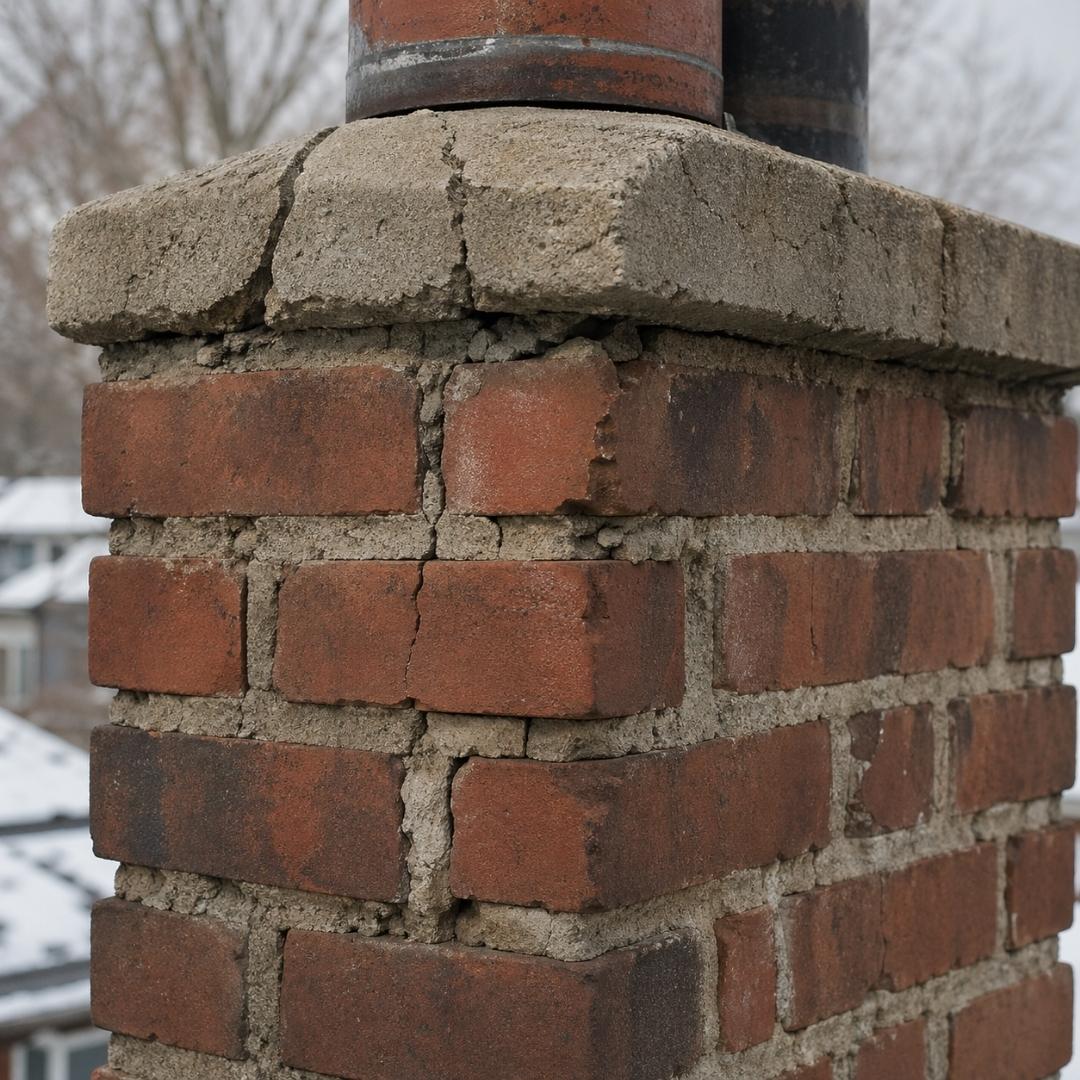
What Winter Actually Did to Your Chimney
Even if your chimney looks fine from the outside, winter use and weather conditions can quietly impact its structure and performance.
Burning fires throughout the colder months can create creosote buildup in the flue. This residue forms naturally during combustion, but when it accumulates, it can restrict airflow and increase fire risk. At the same time, winter weather introduces moisture into masonry materials. Rain, snow, and freezing temperatures can seep into small cracks in brick, mortar joints, or the chimney crown.
As temperatures fluctuate, the trapped moisture expands and contracts. Over time, this freeze–thaw cycle can widen cracks, loosen mortar, and weaken the chimney’s overall structure. Flashing around the base of the chimney may also begin to separate, creating opportunities for water intrusion that can affect both the chimney and the home itself.
These changes don’t always show immediate signs, which is why spring is the ideal time to evaluate what winter may have left behind.
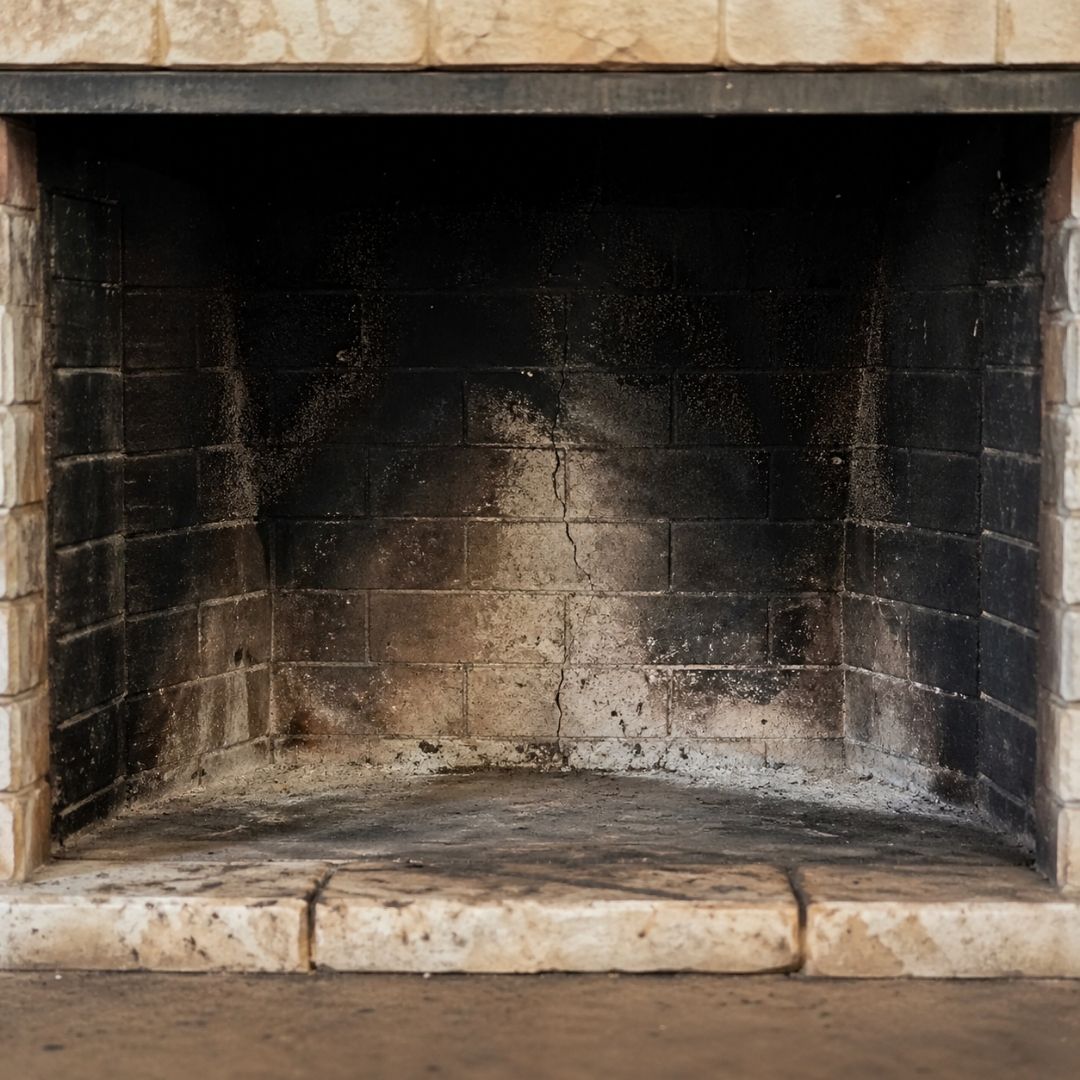
Why These Issues Can Become Safety Risks
Chimney maintenance isn’t just about appearance - it plays a direct role in home safety.
Creosote buildup is one of the leading causes of chimney fires. If it’s not removed, it can ignite when exposed to high temperatures. Even a small amount of buildup can become hazardous over time, especially after a full season of fireplace use.
Structural concerns can also affect how your chimney vents smoke and gases. Cracks, blockages, or deteriorating components can interfere with proper airflow, increasing the risk of smoke entering your home or creating carbon monoxide concerns.
While these issues may develop gradually, addressing them early helps reduce the likelihood of more serious problems later. Regular inspection and maintenance provide a clearer picture of your chimney’s condition and allow for safe, reliable use when colder weather returns.
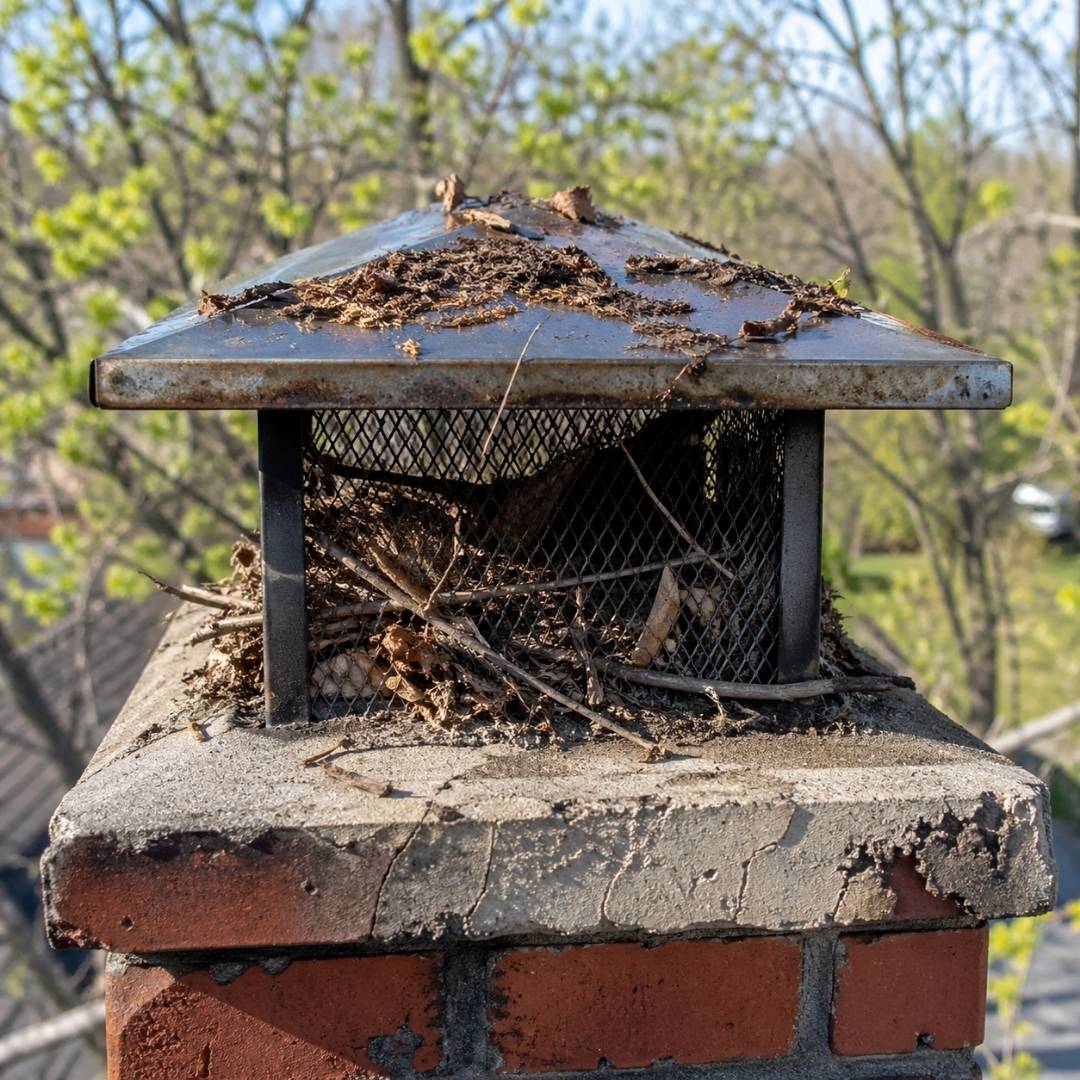
Spring Brings a Different Kind of Chimney Problem
As temperatures rise, your chimney can become an attractive place for wildlife.
Birds, squirrels, and other small animals often look for warm, enclosed spaces to build nests during the spring. Chimneys provide easy access and protection, making them a common target. Unfortunately, nesting materials can block airflow, restrict ventilation, and create fire hazards if left undisturbed.
In addition to animals, leaves, twigs, and other debris can collect inside the flue or around the chimney cap. These obstructions can affect draft performance and make it difficult for your chimney to function properly when it’s used again.
Spring chimney maintenance helps identify and remove these blockages early, before they interfere with safe operation later in the year.
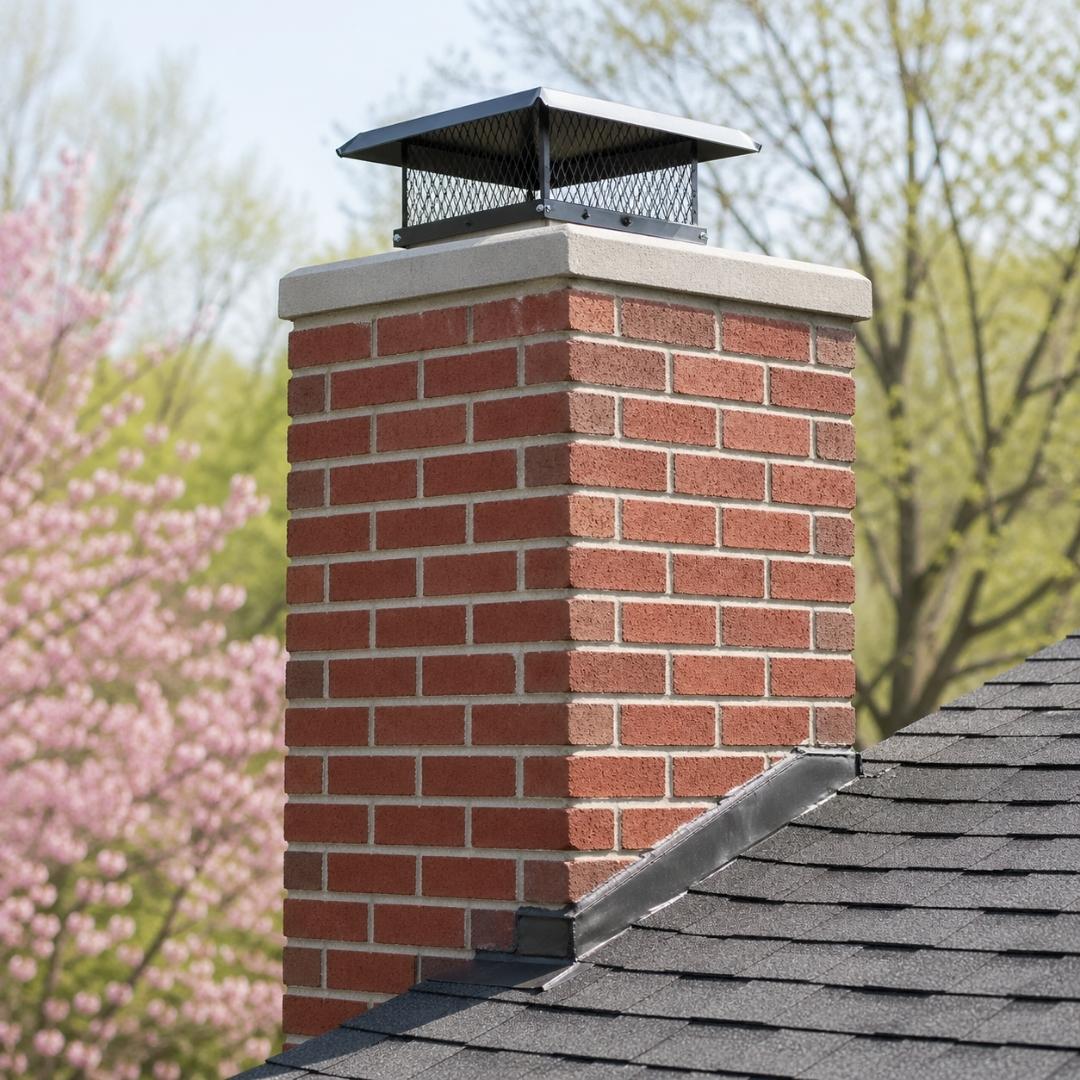
Why May Is the Ideal Time for Chimney Work
While chimney service is often associated with fall, May offers several practical advantages for homeowners.
Scheduling is typically more flexible in the spring, allowing you to choose a time that works best without the urgency that comes later in the year. As temperatures drop in the fall, demand for chimney services increases significantly, often leading to longer wait times.
Spring weather also creates better conditions for masonry repair. Mortar and other materials used in chimney repair perform best when temperatures are moderate and consistent. Addressing cracks, crown damage, or deteriorating mortar in May allows repairs to cure properly and last longer.
Most importantly, handling chimney maintenance now gives you time to make informed decisions. Instead of reacting to an issue right before fireplace season, you can plan and ensure everything is in place before you need it.
What a Spring Chimney Inspection Covers
A professional chimney inspection in the spring provides a comprehensive look at your chimney’s condition after a full season of use.
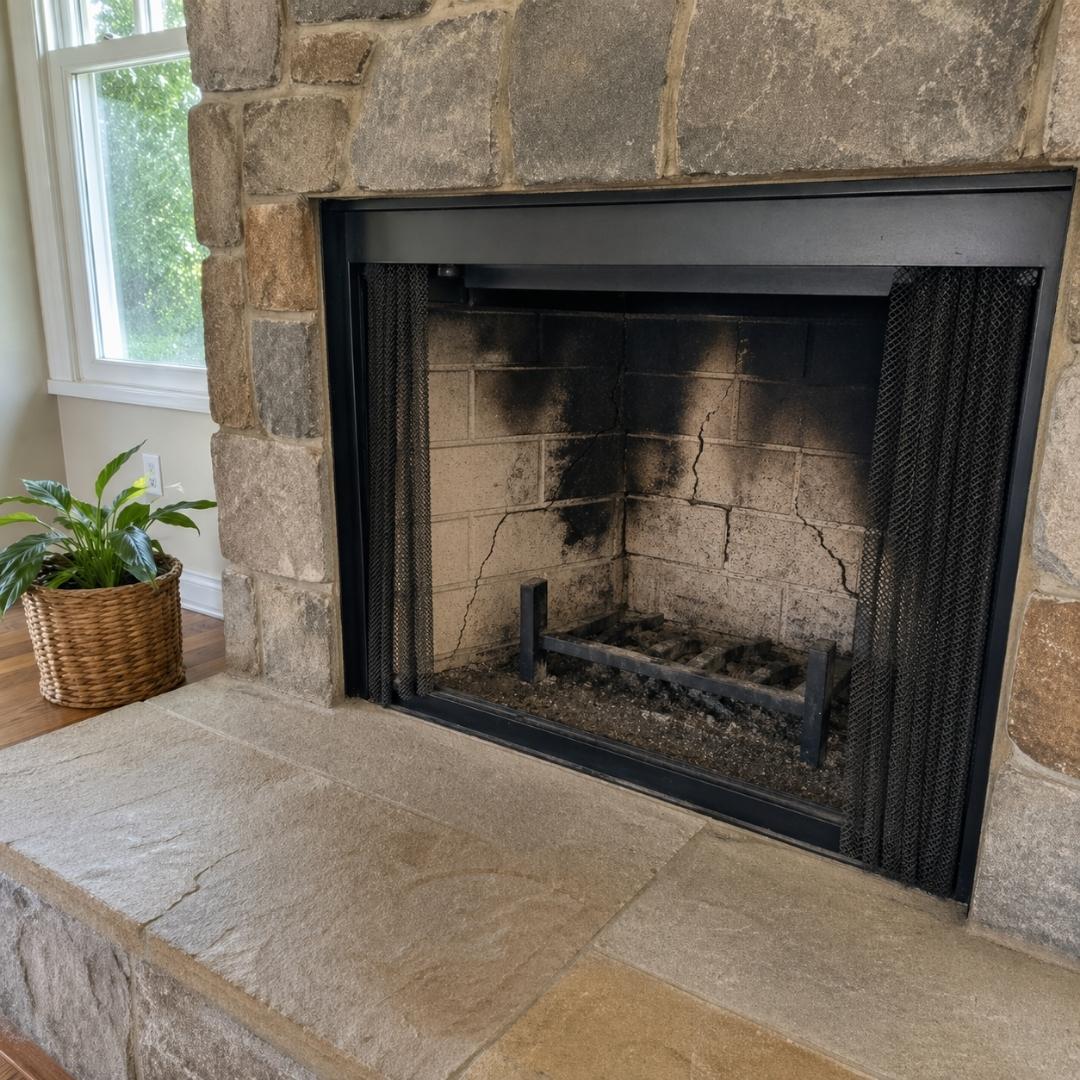
During an inspection, key components of the chimney system are evaluated, including the flue, liner, masonry structure, crown, and flashing. This helps identify creosote buildup, structural wear, and any signs of moisture intrusion or damage.
If cleaning is needed, it can be completed at the same time to remove soot, creosote, and debris that may have accumulated. This improves airflow and prepares the chimney for future safe use.
Inspections also help determine if masonry repair is necessary. Small cracks, missing mortar, or early signs of deterioration can often be addressed before they require more extensive work. By identifying these issues early, homeowners can maintain their chimney's integrity and avoid costly repairs down the road.
Frequently Asked Questions About Spring Chimney Maintenance
Do I need chimney service if I didn’t use my fireplace much this winter?
Yes. Even limited use can lead to creosote buildup or allow moisture and debris to affect the chimney. An inspection helps confirm everything is still in good condition.
Is spring really better than fall for chimney maintenance?
Spring offers more flexible scheduling and better repair conditions. It also allows homeowners to address issues early rather than waiting until demand is high.
What happens during a chimney inspection?
A professional inspection evaluates the structure, flue, liner, and exterior components of the chimney to identify any buildup, damage, or potential safety concerns.
Can small cracks or minor damage wait until later?
Small issues can worsen over time, especially with continued exposure to moisture and temperature changes. Addressing them early is typically more straightforward and cost-effective.
How long does chimney service usually take?
Most inspections and cleanings can be completed within a few hours, depending on the condition of the chimney and whether additional work is needed.
Schedule Your Spring Chimney Service Before Summer Fills Up
Taking care of your chimney in May is one of the simplest ways to protect your home and avoid unnecessary stress later in the year. With more flexible scheduling, better repair conditions, and time to address any concerns, spring maintenance offers a practical, proactive approach.
For homeowners in the Table Rock Lake area, Table Rock Chimney & Masonry provides chimney inspections, cleaning, and masonry repair services designed to keep your system functioning safely and efficiently. Whether your chimney needs routine maintenance or a closer evaluation after winter, scheduling now helps ensure everything is ready when you need it.
If it’s been a while since your last chimney service, consider booking your spring inspection before the busy season begins.

© 2025 Table Rock Chimney & Masonry | Powered by Makin' Waves
GET IN TOUCH
OUR SERVICES
FOLLOW US ON SOCIAL
© 2025 Table Rock Chimney & Masonry | Privacy Policy | Terms & Conditions | Accessibility Statement | Website Design + Local SEO by Makin' Waves